
Get inspiration to go greener this year

Get inspiration to go greener this year

Discover the benefits of the Green Homes Network.
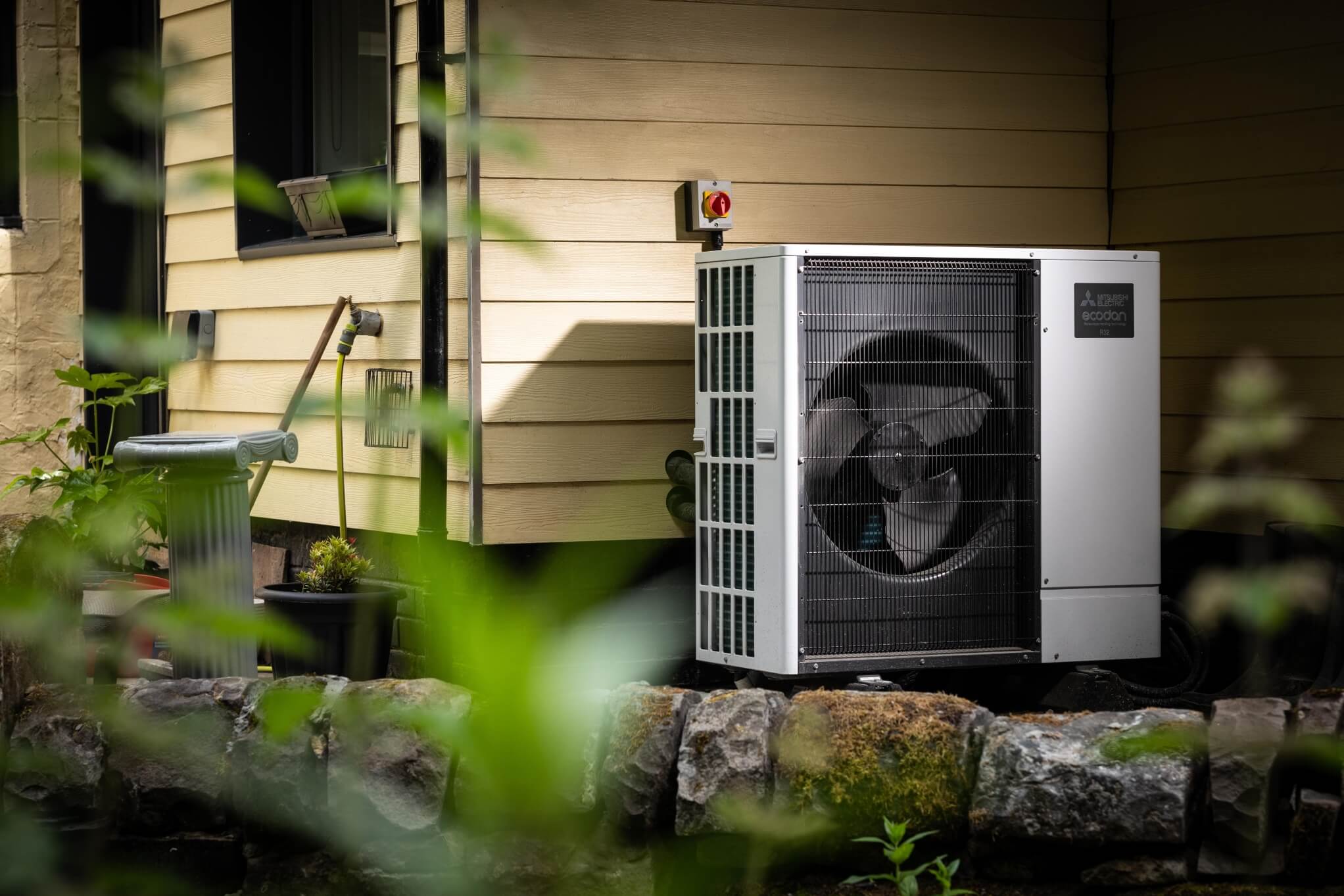
A heat pump against a beige wooden wall of a house house behind a low stone wall. Leaves from a tree cover the left hand side of the picture.
Share on social:
Facebook X (Twitter) Copy Link
author
Written by Home Energy Scotland
Published February 2025

Is this the year you’ll take the big step to making your home more energy efficient?  With spring on the way, now is the perfect time to get prepared, get advice and get your questions answered. Read on to discover the benefits of using the Green Homes Network.

Share on social:
Facebook X (formerly Twitter) Copy Link

How the network can help your decision-making 

The Green Homes Network features more than 400 homeowners across Scotland who have installed a wide range of renewable technologies and other energy efficiency improvements. The network showcases properties of all kinds, from eco-builds to historic stone cottages, listed buildings and everything in between. Whatever home energy improvement you’re considering, network members are here to help. 

The Green Homes Network is free to use and has case studies packed with useful information. Members have shared their whole journey, from initial research to installing and living with the improvements. This makes the case studies the best place to learn about overcoming barriers, understanding the costs, working with installers and getting the most out of your energy efficiency improvements.  
 
If you’ve already installed home renewables or energy efficiency improvements in your home, why not consider becoming a member of the Green Homes Network? By joining, you can take the experience you have gained from your renewables journey and use it to help and inspire others. 

Searching the Green Homes Network 

To get started, you just need to enter your postcode and set a search radius for the projects you want to view. Most members are happy to host visits to their property, as well as answering questions via phone and email, so this is useful if you want to visit projects in your area. 

You can then select further filters based on the energy saving measures installed, property type, property age, and renewable technologies installed. 

After you’ve set your filters, click or tap search and you’ll be shown a list of relevant homeowners. You can then read through their case studies and view the photos that bring their stories to life.  

Contact a network member

From there you can learn even more by reaching out to a member. This is a great way to get the most up-to-date information on how the improvements have impacted their energy bills and any other ongoing benefits from their project. 

You can request to contact members by phone, email or arrange a visit by using the ‘Contact this member’ button on their case study. 

Take your next step towards a greener home by visiting the Green Homes Network today. 

If you're interested in learning about heat pumps, a Green Homes Network member will be speaking at our 'An introduction to heat pumps' webinar on Thursday 27 February. 

Did you find this helpful?

Latest news and case studies

We have articles, blogs and case studies covering topics ranging from home energy tips to low carbon travel, and business advice to installing renewables.

Young woman celebrates winning in the HES competition

Win £750 worth of appliances and gadgets to make your home more energy efficient

Our advice competition is now live.
A heat pump against a beige wooden wall of a house house behind a low stone wall. Leaves from a tree cover the left hand side of the picture.

Get inspiration to go greener this year

Discover the benefits of the Green Homes Network.
A person holding a mug and a smart meter in home display

The closure of radio teleswitching explained

What does the closure of the RTS service mean to you?

The closure of radio teleswitching explained

The closure of radio teleswitching explained

The Radio Teleswitching Service (RTS) is due to end on Monday 30 June 2025.

A person holding a mug and a smart meter in home display
Share on social:
Facebook X (Twitter) Copy Link
author
Written by Home Energy Scotland
Published February 2025

If your electricity meter uses RTS, it must be replaced. If the meter isn’t replaced, your heating could end up always on, never on, or turning on and off at unsuitable times for you. Luckily, we have a guide on the next steps to take

Share on social:
Facebook X (formerly Twitter) Copy Link
Did you find this helpful?

Latest news and case studies

We have articles, blogs and case studies covering topics ranging from home energy tips to low carbon travel, and business advice to installing renewables.

Young woman celebrates winning in the HES competition

Win £750 worth of appliances and gadgets to make your home more energy efficient

Our advice competition is now live.
A heat pump against a beige wooden wall of a house house behind a low stone wall. Leaves from a tree cover the left hand side of the picture.

Get inspiration to go greener this year

Discover the benefits of the Green Homes Network.
A person holding a mug and a smart meter in home display

The closure of radio teleswitching explained

What does the closure of the RTS service mean to you?

Energy saving heroes on hand to help

Energy saving heroes on hand to help

Discover how our energy saving heroes can help you save energy and money today.

Harry, a Home Energy Scotland advisor, is at a desk and computer wearing a telephone headset, he is smiling
Share on social:
Facebook X (Twitter) Copy Link
author
Written by Home Energy Scotland
Published February 2025
Share on social:
Facebook X (formerly Twitter) Copy Link

As householders across Scotland continue to face rising energy bills because of recent price cap increases and cold temperatures, we’re here to help. Our team of expert advisors are ready to give you free, impartial advice to ensure that you can navigate these challenging times with confidence.

Our advisors are true energy saving heroes. They can help you discover practical solutions to reduce your energy use to save money and create a warmer, more comfortable home. Whether it’s giving you energy saving tips or helping you access to grants or other support, our advisors are dedicated to helping you take control of your energy bills.

How to contact us for advice

When you call us on our freephone number 0808 808 2282 you’ll speak to a trained energy advisor who’ll give you impartial and trusted advice on how to save energy at home. Our advisors are based across Scotland, working in our five regional advice centres, which means they have valuable local knowledge to help you. Our teams help thousands of householders every year to save money on their energy bills and have warmer homes. 

In the Highlands and Islands, our advice centre manager Vicky Walker said: 

“Between April 2023 and the end of March 2024, our centre gave energy saving advice to more than 15,000 households across the Highlands and Islands and other areas of Scotland through our advice centre network. Please contact us on our freephone number or complete our contact form for advice by email if you’re worried about your energy costs this year. We can chat to you on WhatsApp too.”

Don’t just take our word for it. Discover how we helped a householder by referring them for help through the Scottish Government’s Warmer Homes Scotland programme, which is delivered by Warmworks. 

Where you can find us in 2025

Throughout 2025, our advice teams won’t just be busy answering your calls and making referrals to programmes like Warmer Homes Scotland. They’ll also answer thousands of digital enquiries and work closely in partnership with hundreds of partner organisations and community groups throughout the country. 

This valuable outreach work helps us reach more people who need our advice and develops links with trusted local organisations too. Our energy saving heroes won’t stop there – you’ll find them ready to advise you at events around Scotland this year too. 

We look forward to helping you in 2025. If you know someone who could benefit from speaking to us, please tell them about Home Energy Scotland so they can get help from our energy saving heroes too.

Together, we can make our homes a little warmer and our energy costs a lot more affordable.

Get free, expert advice

If you’re worried about energy bills and would like more advice about how to reduce them, we’re here to help. Find out how to contact us for free and impartial advice today.

Did you find this helpful?

Latest news and case studies

We have articles, blogs and case studies covering topics ranging from home energy tips to low carbon travel, and business advice to installing renewables.

Young woman celebrates winning in the HES competition

Win £750 worth of appliances and gadgets to make your home more energy efficient

Our advice competition is now live.
A heat pump against a beige wooden wall of a house house behind a low stone wall. Leaves from a tree cover the left hand side of the picture.

Get inspiration to go greener this year

Discover the benefits of the Green Homes Network.
A person holding a mug and a smart meter in home display

The closure of radio teleswitching explained

What does the closure of the RTS service mean to you?

Discover our improved advice hub

Discover our improved advice hub

Our improved online advice hub will make it easier for you to find out how to make your home warmer.

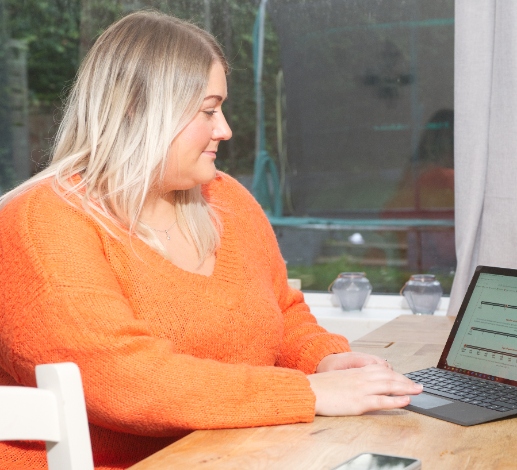
A woman uses the online advice hub on her laptop
Share on social:
Facebook X (Twitter) Copy Link
author
Written by Home Energy Scotland
Published January 2025

Our improved online advice hub will make it easier for you to find out how to make your home warmer.

Share on social:
Facebook X (formerly Twitter) Copy Link

Home Energy Scotland’s online advice hub has been improved and refreshed to make it easier for you to find out how to cut your energy costs and make your home warmer. 

What is the Home Energy Scotland advice hub?

Our advice hub - which is free to use - features a range of tools to help you start your energy saving journey by giving you advice, all tailored to you. 

You can:

  • take a home energy check to find out what energy saving improvements might be suitable for your home
  • find out what funding is available in your area, including grants and loans from the Scottish Government
  • check whether you could be eligible for Warmer Homes Scotland, if you’re struggling to heat your home.

What improvements have we made?

We’ve improved the overall look and feel of the advice hub, making it easier for you to find the information you want and need. 

We’ve also made some changes to how you use the hub - for example, you can tell us what you’d like us to help you with so that you can receive advice that’s more relevant to you. 

We’ve also made some technical improvements that will ensure we can keep improving the advice hub to give you the best possible experience.

How to use the advice hub

If you’ve used the advice hub before

If you’ve used our advice hub before and already had an account, your previous log in details will no longer work and you’ll need to create a new account. We’ve contacted everyone that had previously registered to tell them this, and we’ve securely deleted all old account details.

If you’ve never used the advice hub

It’s easy to get started. You can use the advice hub as a guest, but for the best experience, we recommend creating an account so that you can save your energy saving recommendations for later. The advice hub is free to use.

Help us keep improving our online advice

We hope you’ll enjoy using the new advice hub. If you have any feedback or issues using it, please contact us to let us know.

Visit the online advice hub.

Did you find this helpful?

Latest news and case studies

We have articles, blogs and case studies covering topics ranging from home energy tips to low carbon travel, and business advice to installing renewables.

Young woman celebrates winning in the HES competition

Win £750 worth of appliances and gadgets to make your home more energy efficient

Our advice competition is now live.
A heat pump against a beige wooden wall of a house house behind a low stone wall. Leaves from a tree cover the left hand side of the picture.

Get inspiration to go greener this year
Discover the benefits of the Green Homes Network.
A person holding a mug and a smart meter in home display

The closure of radio teleswitching explained

What does the closure of the RTS service mean to you?

How to save energy when you've got electric storage heaters

How to save energy when you've got electric storage heaters

Read our article to learn some of our top tips on how to save energy when you've got electric heating.

An electric heater
Share on social:
Facebook X (Twitter) Copy Link
author
Written by Home Energy Scotland
Published January 2025

If you have electric heating, you might find it challenging to keep your home warm over winter and your energy costs affordable. Read our article to learn some of our top tips.

Share on social:
Facebook X (formerly Twitter) Copy Link

What are electric storage heaters?

Electric heating uses electricity and for most people means electric storage heaters, an electric boiler, or underfloor heating. Electric heating is more common in flats, rented properties, and in homes that aren’t connected to the gas network. 

Electric storage heaters – which are the most common type of electric heating - generate and store heat when electricity is cheaper and release it during the day. They’re designed to work with electricity tariffs that supply cheaper electricity at certain times of the day, which is usually overnight but many people will have afternoon or evening periods of charge as well.

Check your meter and tariff 

It’s  important to make sure your heating system matches your meter type and tariff. You can arrange this with your energy supplier. For example, Total Heat with Total Control, Economy 7 and Comfort Plus are meters and tariffs that are designed to work with storage heating.

If your storage heaters use Total Heat with Total Control or Comfort Plus with Weathercall, your heating and hot water is likely controlled by a radio teleswitch signal which tells your storage heaters when to charge and when your hot water should switch on. The system that controls the radio teleswitch signals is due to close on Monday 30 June 2025. Your electricity supplier may have already been in touch asking you to change your meter. If you decide not to upgrade your meter, your heating and hot water provision could be affected. Read our article ‘The closure of radio teleswitching explained’ for more information.

We know that different meter types and tariffs can be confusing, but we can help you work out what option’s best – contact us and one of our advisors will be happy to help.

Get to know your heating controls

If you’ve got modern storage heaters, it’s likely you’ll have an automatic charge control, a thermostat and a programmer built into your heater. These controls work together to ensure that once the programme is set, the heater can control itself without you needing to make any adjustments, unless you want to change the programme. If you’re not sure how to use the controls, ask your installer to explain them to you. You can usually find explainer videos online too.

Older storage heaters use input and output dials to control heat. The higher you set the input, the more electricity it will use and heat up overnight. It can be helpful to look at the weather forecast. If it’s going to be cold, adjust the input to high so that the heater stores enough heat to last the next day. If it’s going to be mild, turn it down so that you don’t store more heat than you need.

The output dial controls the release of heat – the higher you set it, the quicker it will release the heat. If you set the output too high, it may run out of heat before the end of the day. Think about your daily routine and see if you can adjust it to suit this. For example, if you’re out during the day, leave it on minimum – you can adjust it when you get home to release more heat.

For both types of storage heater, remember that they need to charge the night before and that any changes to the input won’t happen until the next day.

Read Energy Saving Trust’s guide to electric storage heaters, which includes a guide to using electric heating controls, for more information.

Make the most of your off-peak hours

If you’re on a tariff where you pay less for electricity used during the night, you could save money by changing the way you use your household appliances. It’s worth checking with your energy supplier when these cheaper hours are because these can be different over summer and winter time.

We’re not suggesting you tackle your ironing in the middle of the night! But you could charge your phone, laptop or even your electric car during off-peak hours. And instead of running the dishwasher or washing machine after dinner, you could set it to switch on just before you get up in the morning. 

And remember, if it’s time to replace any of your appliances, consider choosing a model with a high energy efficiency rating to save energy.

If you have a meter and tariff like Total Heat with Total Control or Comfort Plus with Weathercall, your heating is likely on its own circuit so only your heating will make use of the heat or control rate.

Consider your heating alternatives

If you’re not happy with your electric heating system, our advisors can discuss other heating options with you and help you work out what systems will suit your home and lifestyle. We’ll also let you know if any funding is available to help you cover the cost of a new heating system, including grants and loans funded by the Scottish Government. Contact us for free, impartial advice today.

Did you find this helpful?

Latest news and case studies

We have articles, blogs and case studies covering topics ranging from home energy tips to low carbon travel, and business advice to installing renewables.

Young woman celebrates winning in the HES competition

Win £750 worth of appliances and gadgets to make your home more energy efficient

Our advice competition is now live.
A heat pump against a beige wooden wall of a house house behind a low stone wall. Leaves from a tree cover the left hand side of the picture.

Get inspiration to go greener this year

Discover the benefits of the Green Homes Network.
A person holding a mug and a smart meter in home display

The closure of radio teleswitching explained

What does the closure of the RTS service mean to you?

Stay warm at home for less

Stay warm at home for less

We’ve put together some easy practical tips to help you stay cosy at home that don’t cost a penny.

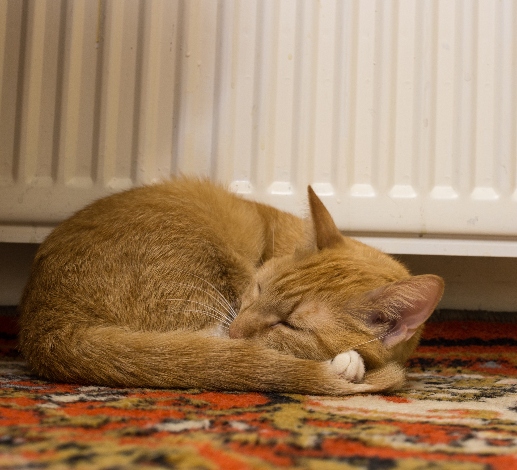
A ginger cat looks cosy curled up next to a radiator
Share on social:
Facebook X (Twitter) Copy Link
author
Written by Home Energy Scotland
Published January 2025

Read our easy practical tips to help you stay cosy at home that don’t cost a penny.

Share on social:
Facebook X (formerly Twitter) Copy Link

It’s no wonder that with our colder winters and longer nights, Scots have the longest heating season in the UK. With energy prices still around double what they were in February 2021, it means our energy bills are generally higher too.

But staying warm at home doesn’t always mean turning up the thermostat or extending the time your heating is on. We’ve put together some easy practical tips to help you stay cosy at home that don’t cost a penny.

Take control of your heating 

According to the World Health Organisation, the lowest comfortable temperature for most people is between 18° and 21°C. Some people may need it higher for health reasons. If you’re feeling warm enough, try turning down your thermostat by just one degree to reduce the amount of energy you’re using – you might not even notice the difference.

If you spend lots of time at home during the day, heating one room is a cost-effective way to stay warm and keep your bills down. For example, if you tend to stay in the living room most of the day, adjust the radiator valves in the rooms you’re not using.

If you’re not sure how to use your heating controls, read our guide to thermostats and heating controls. You can also contact us for free advice – we’d be happy to help.

Keep your house warm

If you work from home, locate your workstation somewhere that’s free of draughts and in a sunny spot. You might find that working close to a window was great in the summer but it’s a bit chillier in winter. Choosing a spot with good natural light will also reduce the amount of time you need to have your lights on.

If you’ve got cold floors (non-carpeted, for example) laying a good rug will reduce draughts and help insulate your floor.

Open your curtains and blinds during the day – the sun will help to warm your home – but remember to close them as the sun starts to set to keep the heat in.

Draught proofing will help stop heat escaping through unwanted gaps in windows and doors. If you’re a keen knitter, why not knit your own Doug the Caterpillar draught excluder?

Keep your body warm

Wearing lots of layers helps to trap your body heat and keep you warmer so instead of wearing one big thick item of clothing, choose layers to keep cosy. Clothes made from materials such as wool and thermal underwear are ideal. Keep your feet cosy by wearing thermal socks and slippers, and fingerless gloves are great if you need that extra bit of warmth. At night, flannel or fleece pyjamas worn with warm socks are a good choice.

It can be easy to get comfy on your sofa, but getting up to move around the house regularly or going for a walk will boost your circulation and keep you warm. When you’re sitting, a blanket across your lap will keep your legs and feet cosy. A hot water bottle is also very effective at keeping you feeling toasty.

Eating and drinking hot food and drinks throughout the day will also help you stay warm but avoid alcohol – it might trick you into thinking it warms you, but it causes you to lose body heat. Don’t boil more water than you need to avoid using more energy than you need to.

Get free, expert advice

We’ve got more advice on how to make your home warmer this winter. 

If you’re worried about energy bills and would like more advice about how to reduce them, we’re here to help. There are lots of ways to contact us, and all our advice is free and impartial.

Did you find this helpful?

Latest news and case studies

We have articles, blogs and case studies covering topics ranging from home energy tips to low carbon travel, and business advice to installing renewables.

Young woman celebrates winning in the HES competition

Win £750 worth of appliances and gadgets to make your home more energy efficient

Our advice competition is now live.
A heat pump against a beige wooden wall of a house house behind a low stone wall. Leaves from a tree cover the left hand side of the picture.

Get inspiration to go greener this year
Discover the benefits of the Green Homes Network.
A person holding a mug and a smart meter in home display

The closure of radio teleswitching explained

What does the closure of the RTS service mean to you?

Protect your pipes this winter

Protect your pipes this winter

The cold weather can increase the chances of your pipes freezing or bursting. That's why it's important to prepare your home for the cold.

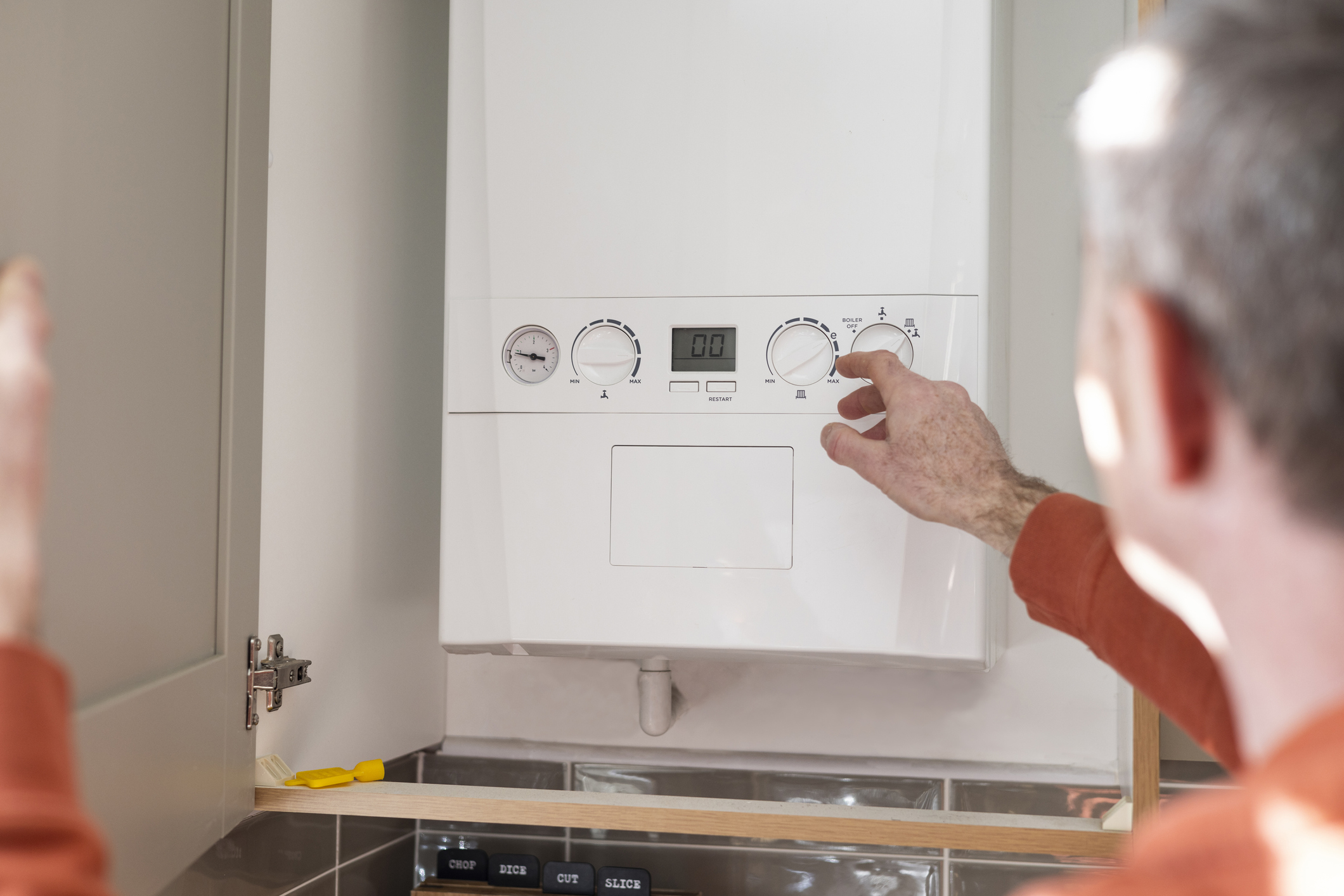
Man adjusting the controls of his boiler
Share on social:
Facebook X (Twitter) Copy Link
author
Written by Home Energy Scotland
Published December 2024

This winter it’s important to prepare your home for the cold, especially if you’re going on any trips over the festive period. The cold weather can increase the chances of your pipes freezing or bursting, which could leave you with unexpected damages and costs. 

Share on social:
Facebook X (formerly Twitter) Copy Link

Insulate your pipes and water tanks

Insulating pipes and water tanks is one of the simplest and cheapest ways to protect them during cold weather. If you have a water tank, fit it with an insulation jacket or wrap the top and sides of the tank with suitable insulation material.

Efficient condensing boilers produce a small amount of condensate which drains away through a plastic pipe, usually outside. If that pipe gets blocked with a build-up of ice, the boiler will stop working. Insulate the plastic pipe with foam pipe insulation to keep it warmer and prevent the condensate water from freezing. 

Read Energy Saving Trust’s article on insulating tanks, pipes and radiators to learn more.

Use frost-protection settings

Modern central heating systems have frost-protection built in, which means that the boiler can detect when it has dropped below a certain temperature and switches itself on to prevent it from breaking down. All you need to do is activate ‘frost protection mode’ (or ‘holiday mode’ as it’s sometimes known). This is a great alternative to shutting your boiler down completely if you’re going on a trip.

For combi boilers, you’ll need to check the pressure gauge. If the boiler doesn’t have enough pressure, the frost protection might not operate correctly. You can adjust thermostatic radiator valves (TRVs) to the frost setting to make sure your radiators use the minimum amount of energy needed to protect your home.

If you don’t have frost-protection, set your heating thermostat to 10°C and switch on the programmer, or set it to 24 hours to achieve a similar effect. The heating will only come on if the temperature inside your home drops below 10°C, so it will only use a small amount of energy.

Be prepared for burst pipes

If a pipe freezes or bursts, you’ll need to switch off the valve immediately. The location of the stop valve varies in each home, but the most common locations are under a sink, in a garage, or close to the hot water system (wherever the mains supply enters your house). Familiarising yourself with where your stop valve is located means that you’re better prepared for an emergency. Watch Scottish Water’s video to learn how to find your stop valve.

If you are going away, ask a friend, family member or neighbour if they can check on your home regularly. It is important for them to stop any taps dripping and check that frost-protection settings are working.

Following these tips should help you protect your pipes from freezing and avoid expensive repairs. For more information, Scottish Water has a useful page on protecting your pipes

If you’re not sure how to protect your plumbing from the cold, or if your pipes have frozen or burst, contact a licensed plumber. You can find a licensed plumber in your area on the WaterSafe or SNIPEF websites.

Did you find this helpful?

Latest news and case studies

We have articles, blogs and case studies covering topics ranging from home energy tips to low carbon travel, and business advice to installing renewables.

Young woman celebrates winning in the HES competition

Win £750 worth of appliances and gadgets to make your home more energy efficient

Our advice competition is now live.
A heat pump against a beige wooden wall of a house house behind a low stone wall. Leaves from a tree cover the left hand side of the picture.

Get inspiration to go greener this year
Discover the benefits of the Green Homes Network.
A person holding a mug and a smart meter in home display

The closure of radio teleswitching explained

What does the closure of the RTS service mean to you?

Use sustainable transport this winter

Use sustainable transport this winter

There are plenty of ways you can travel sustainably over the festive season. Read some tips and resources to help you plan ahead.

A bike is leaning against some railing in the snow. A wintery view of Edinburgh sits behind the railing.
Share on social:
Facebook X (Twitter) Copy Link
author
Written by Home Energy Scotland
Published December 2024

Winter is here, and the colder, wetter and darker conditions can present some extra challenges to how we get around. There are still plenty of ways you can travel sustainably over the festive season. Here are some tips and resources to help you plan ahead.

Share on social:
Facebook X (formerly Twitter) Copy Link
Did you find this helpful?

Latest news and case studies

We have articles, blogs and case studies covering topics ranging from home energy tips to low carbon travel, and business advice to installing renewables.

Young woman celebrates winning in the HES competition

Win £750 worth of appliances and gadgets to make your home more energy efficient

Our advice competition is now live.
A heat pump against a beige wooden wall of a house house behind a low stone wall. Leaves from a tree cover the left hand side of the picture.

Get inspiration to go greener this year

Discover the benefits of the Green Homes Network.
A person holding a mug and a smart meter in home display

The closure of radio teleswitching explained

What does the closure of the RTS service mean to you?

Worried this winter? Let's chat

Worried this winter? Let's chat

This winter, Home Energy Scotland is once again partnering with Citizens Advice Scotland to support their ‘Worried this winter? Let’s chat’ campaign.

Happy older gentleman
Share on social:
Facebook X (Twitter) Copy Link
author
Written by Home Energy Scotland
Published November 2024

Running until 28 February 2025, this initiative aims to encourage people across Scotland to seek free and impartial advice to manage heating costs, energy debt and other financial pressures. 

Citizens Advice Scotland has reported that outside of social security, they provide more advice on energy than any other issue. In 2023-24, their network gave 112,052 pieces of advice to 26,818 people seeking help with energy-related issues.

Share on social:
Facebook X (formerly Twitter) Copy Link

Are you worried about energy bills adding up?

You’re not alone. This winter, many households across Scotland are facing increased anxiety about energy costs. But there is good news: support is available.

Derek Mitchell, CEO of Citizens Advice Scotland, said: 

As energy costs continue to soar, thousands of people across Scotland are worried about how they can afford to keep their lights on and heat their homes this winter. 

Seeking support on energy debt is one of the most common reasons people walk through their local Citizens Advice Bureaux doors. But taking that step can be daunting. Many are worried and anxious about what can be done and are being forced to self-ration heat, live in cold and dark homes, and skip meals just so they can feed their children. This simply isn’t good enough.

This campaign is just a small step towards breaking down the barriers to support and highlight the stark reality many people face this winter. If this is you or someone you know, please know the Citizens Advice network is here to help. While we are known for the advice we give, CAS also has a responsibility to raise awareness and advocate for change, and we’ll do all we can to ensure a fairer Scotland for all.

Harry Mayers, Head of Home Energy Scotland, emphasises: 

We know that the winter months can be a challenging time for people worried about the cost of heating their home. As high energy prices and living costs continue to leave many households facing the stark reality of choosing between heating and other essentials, we’re here to offer vital support. 

Through Home Energy Scotland, people can access grants and interest-free loans from the Scottish Government to make their homes warmer and more affordable to heat. 

This may involve immediate relief and also long term solutions, for example, through installing wall and loft insulation. We encourage anyone in need and those who are interested in what support may be available to them to upgrade their home, to get in touch with us.

How Home Energy Scotland can help you

  • We’ll let you know if you’re able to access financial support such as grants, interest-free loans and programmes such as Warmer Homes Scotland, to upgrade your home’s energy efficiency and cut energy costs.
  • Use the funding finder tool to see what support is available in your area.
  • Get free, tailored advice from our expert advisors on ways to reduce energy use, improve your home's energy efficiency, and lower your bills. 

How the Citizens Advice network can help

Take action today 

If you’re worried about staying warm or managing energy costs, know that help is at hand. Let’s chat and find the right solution for your household this winter. Together, we can ensure a warm, safe, and stress-free winter season for everyone.

Did you find this helpful?

Latest news and case studies

We have articles, blogs and case studies covering topics ranging from home energy tips to low carbon travel, and business advice to installing renewables.

Young woman celebrates winning in the HES competition

Win £750 worth of appliances and gadgets to make your home more energy efficient

Our advice competition is now live.
A heat pump against a beige wooden wall of a house house behind a low stone wall. Leaves from a tree cover the left hand side of the picture.

Get inspiration to go greener this year

Discover the benefits of the Green Homes Network.
A person holding a mug and a smart meter in home display

The closure of radio teleswitching explained

What does the closure of the RTS service mean to you?

How we help people in fuel poverty

How we help people in fuel poverty

Fuel Poverty Awareness Day is this November. Find out how we help people to save energy and stay warm at home all year round.

An advisor and householder sit on a couch looking at a Home Energy Scotland leaflet, there are cups of tea on the table in front of them
Share on social:
Facebook X (Twitter) Copy Link
author
Written by Home Energy Scotland
Published November 2024

Did you know that Wednesday 27 November is Fuel Poverty Awareness Day?

Organised by fuel poverty charity National Energy Action, it’s an annual event to raise awareness of fuel poverty in the UK.

Share on social:
Facebook X (formerly Twitter) Copy Link

What is fuel poverty?

In the UK, more than six and a half million households are estimated to be living in fuel poverty*. In Scotland, it’s now estimated that there are 850,000 households living in fuel poverty – that’s around 31% of households.**

Fuel poverty is a term used to refer to a situation where a household is unable to heat their home to a temperature needed to stay warm and healthy. While the exact term and definition varies across the UK, fuel poverty is affected by three key factors:

  • a household’s income
  • their energy costs
  • their energy use – which is affected by how energy efficient their home is.

Some households are more at risk of fuel poverty than others – for example, households that use pre-payment meters, have low incomes, rent their home, or who live in remote areas. It’s a situation that gets worse in the winter months as the temperature drops and householders find themselves struggling to pay their energy bills.

How we help people at risk of fuel poverty

We will support anyone who’s concerned about their energy bills by giving free, expert and impartial advice to help them stay warm at home for less. Whatever way someone heats their home, and whether they own or rent, we will tailor our advice to help them, whatever their circumstances.

We have a network of advice centres across Scotland, with friendly advisors providing local knowledge and expert advice on topics including:

  • Saving energy and keeping warm at home – we give practical advice on everyday actions to save energy and reduce costs, as well as how to make energy efficiency improvements.
  • Funding options – we are the only place to get Scottish Government grants and interest-free loans to make energy efficiency improvements to keep the heat in.

Working in partnership 

We also work in partnership with organisations that help people struggling to heat their home, and with community-led projects that help people tackle climate change by reducing their carbon emissions.

Our specialist energy advisors, Energycarers, provide intensive support to households with issues relating to physical or mental health, disability, family circumstances, low income and expensive heating.

We support events, share resources, offer free training and workshops, and invite organisations to refer people that need support through our secure online portal.

An ongoing example of our successful partnership work is our outreach activity at Newton Primary School’s Community Hub in Ayr. The hub, set up by Headteacher Fiona McAvoy, supports not only the school’s families but also the wider community with food, household, clothing and energy-saving supplies. Team members from our South West advice centre regularly attend, alongside other partner organisations, to give people advice on how to save energy at home, access funding, and refer householders who need extra support to our Energycarers. In recent months the service has signposted increasing numbers of people to crisis support funding, a trend which shows no sign of slowing down.

Our impact

Between 1 April 2023 and 31 March 2024, we gave free energy advice to 128,791 people and generated an estimated £4.7 million lifetime saving on energy bills for low-income, potentially fuel-poor households.***

“So helpful, and endless supply of tips. Professional, understanding and so approachable.” – Home Energy Scotland customer***

Get help

If you’re struggling with your energy bills and need help to stay warm this winter, contact us for free advice and support. 

Our advisors can tell you about ways to make your home warmer and more affordable to heat. They can also check if you’re eligible for any benefits or funding available.

You can also contact us on behalf of someone else – but we do need their permission so we can give them the best, tailored advice for them. Find out more on our contact us webpage.

Partner with us

If you’d like to help us tackle fuel poverty, find out how to partner with us.
 

*Source: Fuel poverty in the UK, House of Commons library, February 2024
**Source: The Scottish Fuel Poverty Advisory Panel
***Source: Energy Saving Trust’s impact report 2023-2024

Did you find this helpful?

Latest news and case studies

We have articles, blogs and case studies covering topics ranging from home energy tips to low carbon travel, and business advice to installing renewables.

Young woman celebrates winning in the HES competition

Win £750 worth of appliances and gadgets to make your home more energy efficient

Our advice competition is now live.
A heat pump against a beige wooden wall of a house house behind a low stone wall. Leaves from a tree cover the left hand side of the picture.

Get inspiration to go greener this year

Discover the benefits of the Green Homes Network.
A person holding a mug and a smart meter in home display

The closure of radio teleswitching explained

What does the closure of the RTS service mean to you?
Subscribe to News